

| Game | Abzû |
|---|---|
| Release Year | 2016 |
| Developer | Giant Squid |
| Publisher | 505 Games |
| Genre | Adventure, Exploration |
| Platforms | Nintendo Switch, PC, PlayStation 4, Xbox One |
I went into Abzû completely blind, wondering if it’d be anything like what I imagined Subnautica to be, even though I haven’t played that one by the time I’m writing this. I was surprised after having played for a while, when I realized that Abzû is not exactly a typical game, but rather an interactive visual experience.
What I mean by this is, it felt more like a diving simulation meant to show you something, where exploration is the most important feature, which can reward you by actually teaching you a few things about the ocean wildlife.
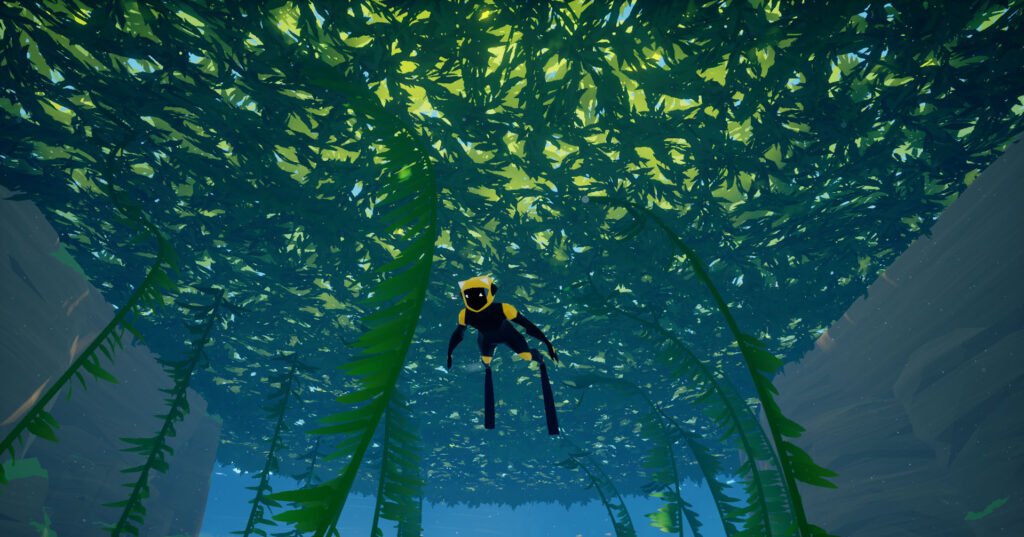
We play as a diver whose name we never learn. The game starts with the diver already wearing the suit and submerged down to their neck in an unknown part of the ocean. I had many basic questions from the beginning, such as where in the world (or even the universe) we were, what time period it was, and whether the diver was even human. Most of these questions never really got answered, but the reason is because they never mattered. The game mixes fantastical elements with a realistic environment, so while initially we may think that everything is going to make sense, it becomes clear soon enough that this is a fictional world, and we’re expected to suspend belief.
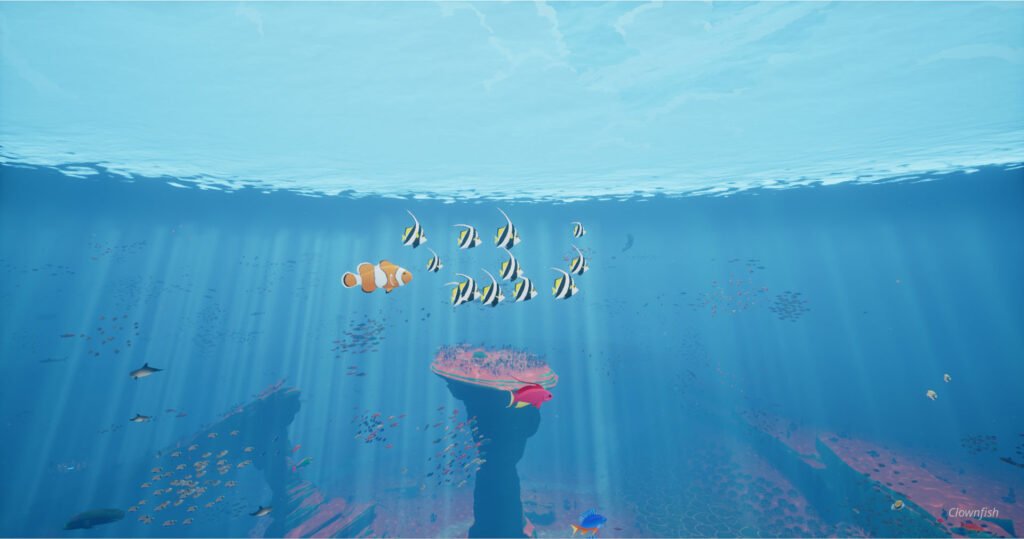
Abzû’s art style and color-rich ecosystems are delightful. My favorite area was the coral reef, with so much pink and cyan and such a gorgeous combination of pastels that could easily inspire a girl’s bedroom décor. The fact that this is based on real life undersea areas is fascinating.
The game is divided in chapters, each of them taking us to a different area where the ecosystems can vary vastly. There are no penalties for mistakes and no real dangers despite what it may seem at times. There’s no character progression, no dialogue or texts we can read, but there’s some interesting environmental lore, which is, while present throughout the whole game, quite cryptic. After having reached the end, I found myself having lived through a beautiful journey, but I also felt like I was meant to understand more about this world’s history than I actually did.
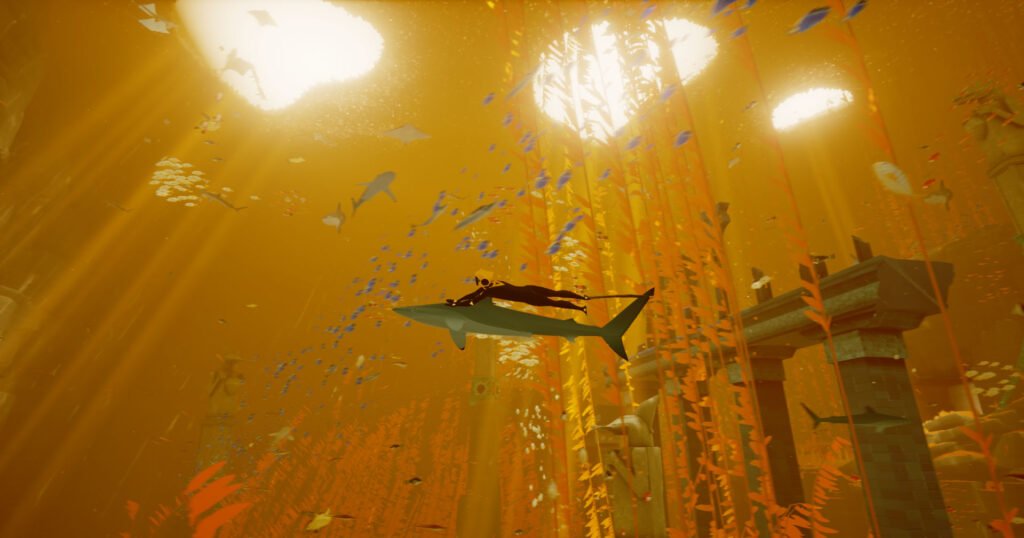
The tasks required to progress through the chapters are very simple, making the whole experience feel pretty relaxing, perfect for one of those days where you just want to flow without using too much of your brain. Swimming around feels fluid and effortless. Strong currents sometimes carry you forward in quite a cinematic fashion, and you can even latch onto different creatures and let them take you wherever they go, which is really cool.
Abzû gives post-apocalyptic vibes, perhaps way ahead in the future, where at some point in the history of this place, it seems that people used to venerate sharks for some reason. There are shark statues scattered around the whole ocean, and some of them allow for one of the most important features in the game: meditating.
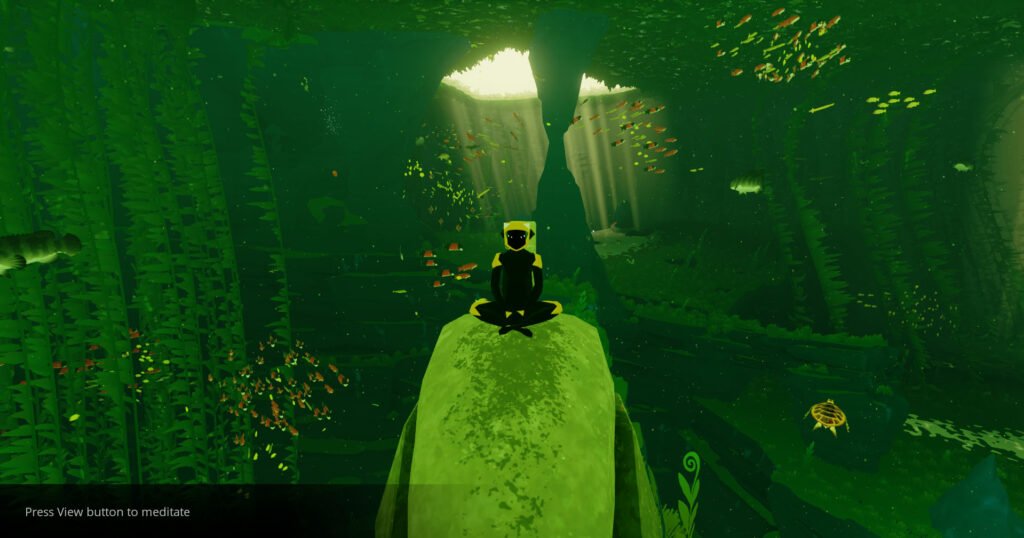
When the diver approaches one of these shark statues, we are given the option to “meditate”. This is not required to make progress, so it can be skipped entirely, but meditating at least once on every statue counts for trophies and completion status. So, what does meditating do? It takes the camera away from the diver to follow a random fish in our vicinity. A black info box on the bottom tells us the name of the fish, and we’re able to turn the camera in any direction to see it from different angles. We can switch the view to other fish and follow them as they go about their way for as long as we want. We might catch them eating other fish, but won’t see them doing anything crazy because they still behave like normal fish. I’d like to point out that this would make for a fantastic video wallpaper, as though having a constant window to the depths of the ocean.
What I really like about the meditating feature is the fact that if we’re paying attention we can actually get to learn about different fish, their names and physical characteristics to tell them apart. Like Pokémon, you’re likely to discover some new favorites by the end, and if you’re already a fish connoisseur, you may set out to find the ones you love.
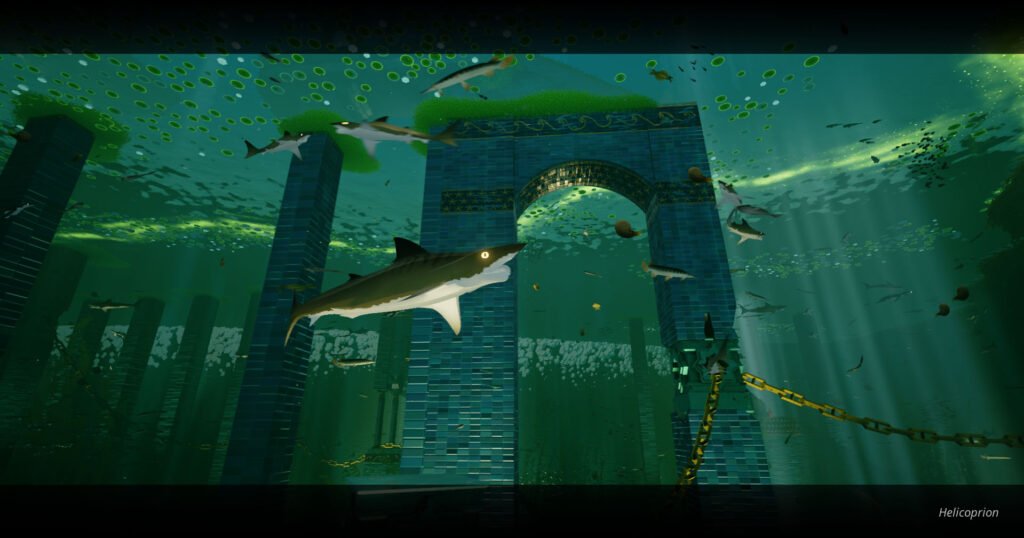
I was happy to find clownfish (Nemo), regal blue tangs (Dory), multiple shark species, multiple whale types, turtles, and different fish with names ending in “saurus” (they’re extinct in the present day). I found some crazy things, like a fish called lanternfish. These have glowing dots that look as though they had actual light lamps inside their body. Then we have the unicornfish and the roosterfish that absolutely deserve their names; you’ll see why. The bicolor parrotfish is like a little rainbow with scales, and the undulate triggerfish reminds me of classic labyrinth games.
But now, I want to make a special mention for the one that totally stole my heart: behold, the Vaquita.
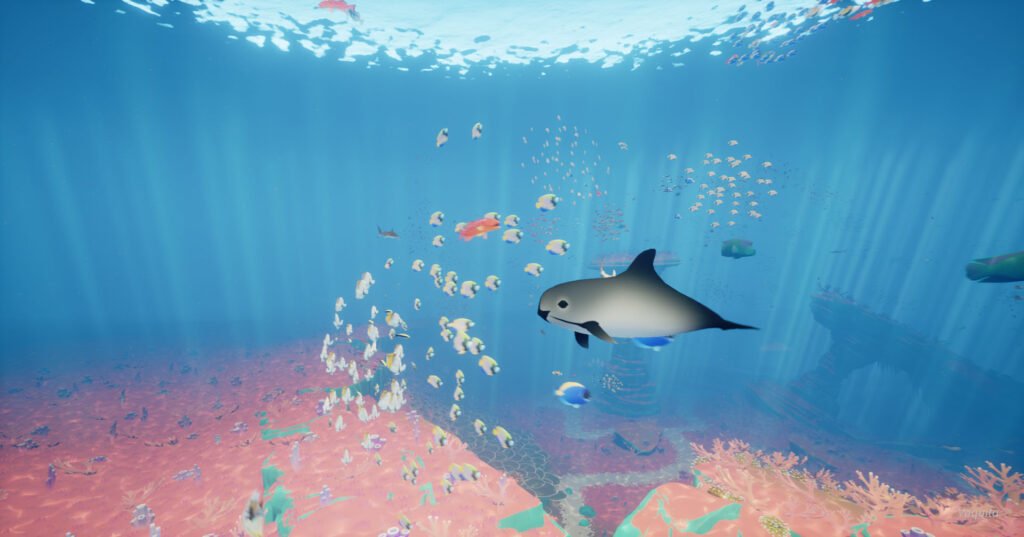
The Vaquita is the smallest living cetacean, similar in shape to a dolphin but much smaller. I find it to be the cutest thing because it seems to have a tiny smile which makes it look happy, and it makes me happy just by looking at it. I love it so much and if there’s one new animal I learned about thanks to Abzû, this is it.
I have taken some time to read about vaquitas after finishing the game, and I’ve learned that they’re in extreme danger of extinction, and there are only about a dozen left. They live in the Gulf of California (Mexico), and measures are being taken to help keep the species alive, but all I can personally do is spread awareness.
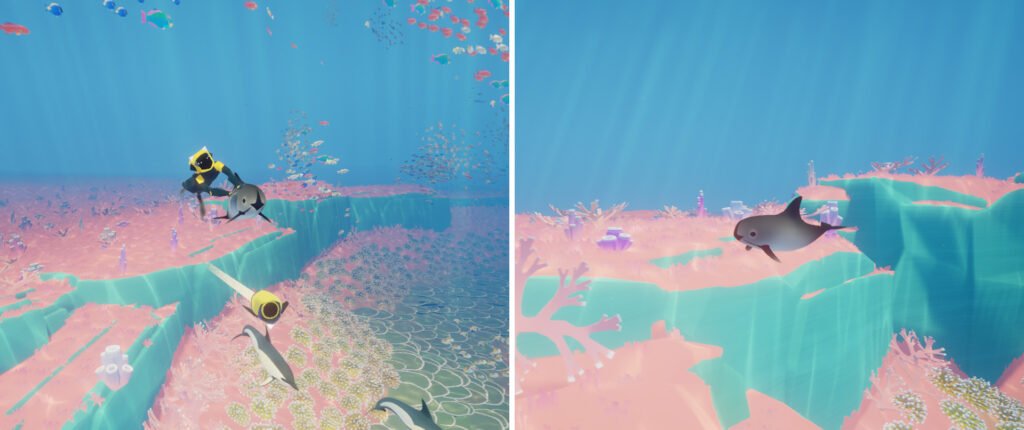
Back to Abzû and the animals you may find interesting, I actually checked the game’s Wikia page after I beat it to see what I may have missed. It turned out there was an easy to miss area near the end of the game with penguins, and a giant polar bear. I decided to load the game and replay that last part again just to find them by myself. You may want to check as well like I did, but let me reassure you there isn’t much you can actually miss, because the open areas are still not too big.
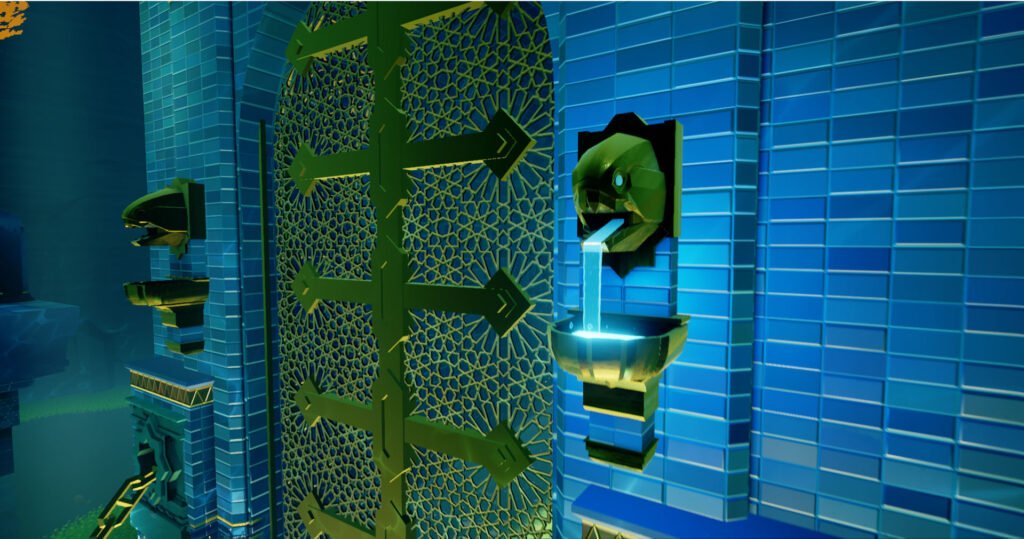
Lastly, I’d like to talk a bit about the soundtrack. Since the game places a strong emphasis on the environmental experience, the music usually blends nicely with the setting rather than standing out on its own. By the end of the game, however, things are very different. The final part is accompanied by a very nice choir of voices in the style of classical opera compositions, giving that moment an epic feel that makes it even more memorable.
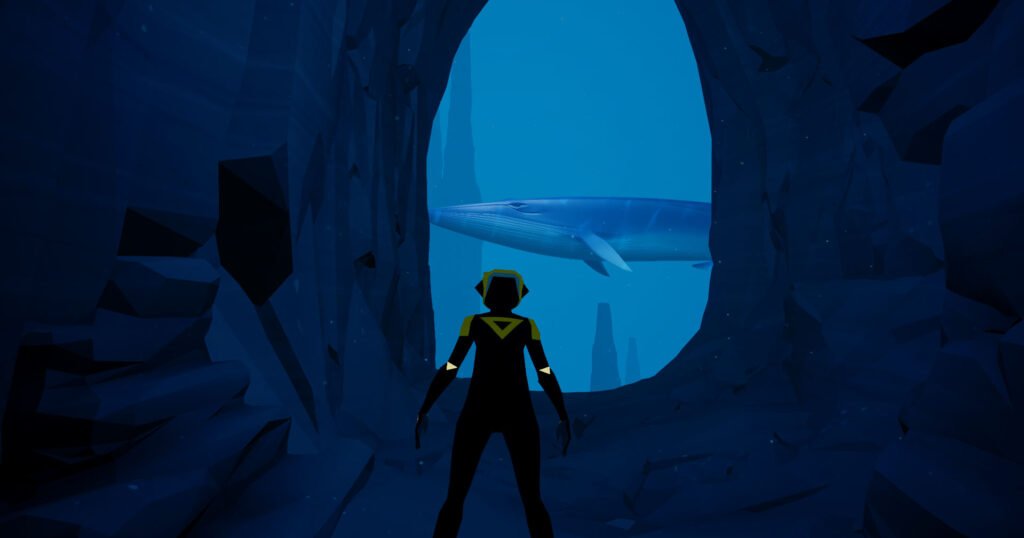
Abzû allows you to swim with sharks, discover gorgeous and mysterious underwater areas, and relax with an interesting futuristic adventure. Because in this game, you don’t sleep with the fish—you meditate with them.
