

If we mainly relate the idea of cozy with a relaxing atmosphere, it certainly doesn’t sound like the concept of “cozy horror” makes a lot of sense. Even so, enough games have been labeled this way that it’s become its own niche subgenre under the cozy gaming umbrella.
Horror games often work by creating a sense of anxiety and unease, gradually building tension until something breaks it, either through a jumpscare, a significant moment of progress, or the arrival at a safe space.
In Resident Evil, a save room is a place where the player can save the game and take as long as they want to manage their inventory, knowing the enemies will not enter the room under any circumstances. As soon as you step inside one of these rooms, relaxing music begins to play as a signal of safe haven. In here, you can let your guard down.
Consider Cozy Horror as the feeling of safety and comfort within a horror environment. Scary stories, perhaps terrifying places, but the anxiety of anticipation tends to be lower because the overall experience is perceived differently. It might feel eerily quiet, with the sensation that something’s definitely not right, but the lurking danger is softened by cutesy graphics, the absence of violence, or perhaps even the lack of any real threat to the player’s character.
These games are not necessarily designed to scare you, but rather to bring a creepy experience that can be navigated without needing to be particularly brave. In some of these games, you could die and have to retry a segment, or you could simply explore the depths of psychological horror themes through a narrative lens. In either case, the horror is present, but there’s also an element of comfort that gives the player that sensation of familiarity, which is so present in typical cozy games.
As children, we usually start getting exposed to horror through whimsy, fantastical tales of ghosts and witches. Halloween is not a day to be afraid of, but rather a celebration for getting dressed up and getting free candy. The innocence through which we consume different horror elements makes these feel harmless because we’re safe, even while being surrounded by fake skeletons and zombies.
Let’s compare these two cartoon shows and see how they both could fit within the horror and cozy labels despite their differences:
Scooby-Doo presents a world where the viewer always knows that the monsters are not real (this excludes the movies). No matter what they manage to do and how scary or dangerous they seem, the Scooby-gang always catches them by the end, only to reveal their real, very-ordinary-human identity. The overall vibe of the show is playful and friendly, with upbeat music playing during the ever-present chasing sequences. For the entire duration of the mystery case and despite the threat to the main characters, there’s comfort in knowing the conclusion will always be a positive one for all the good guys.
Courage, the Cowardly Dog pushes further. The creepy factor is heavily heightened because the monsters are real, they have horrifying appearances, and they may even move and talk weirdly. It’s a lot more uncomfortable to watch. Yet, the main character is a dog who’s easily scared but eventually saves the day, usually once the frightening presence might represent a threat to the old lady, his beloved owner. The horror in the show can be disturbing, but there’s comfort in the familiarity of recurring good-hearted characters, a somewhat predictable structure, humor, and cartoon visuals.
Cozy horror games can come in a huge variety of plots and play styles, just like horror games generally do. But they all have a fear factor that lies somewhere along the spectrum represented by these two shows. There’s horror, and there’s a comforting aspect. But it begs the question, where do we draw the line, exactly?
Just like what happens with cozy games, it’s not entirely possible to have an exact definition of a concept that is based on emotional reaction to something. Some people may perceive some games to be relaxing while others may find them irritatingly boring. And some people may find some games genuinely scary while others may not bat an eye at them.
Atmosphere, sound design, the level of gruesome imagery, the depth of disturbing themes—they all play a role in differentiating a game as either horror or cozy horror.
Silent Hill is a survival horror game. It often requires the player to walk down long, quiet, (almost) empty streets while surrounded by a fog that heavily shortens your depth of view. The eeriness of a silent town can almost feel peaceful, but as the player, you know you’re at risk of sudden scares or attacks, especially when you can’t possibly see it coming. The quiet, the emptiness, even in the light of day, are not a safe environment where you can relax. There are areas where you can rest, of course, but they’re not presented as comforting or warmly inviting; they’re just a temporary stop before going back into dangerous and horrifying territory.
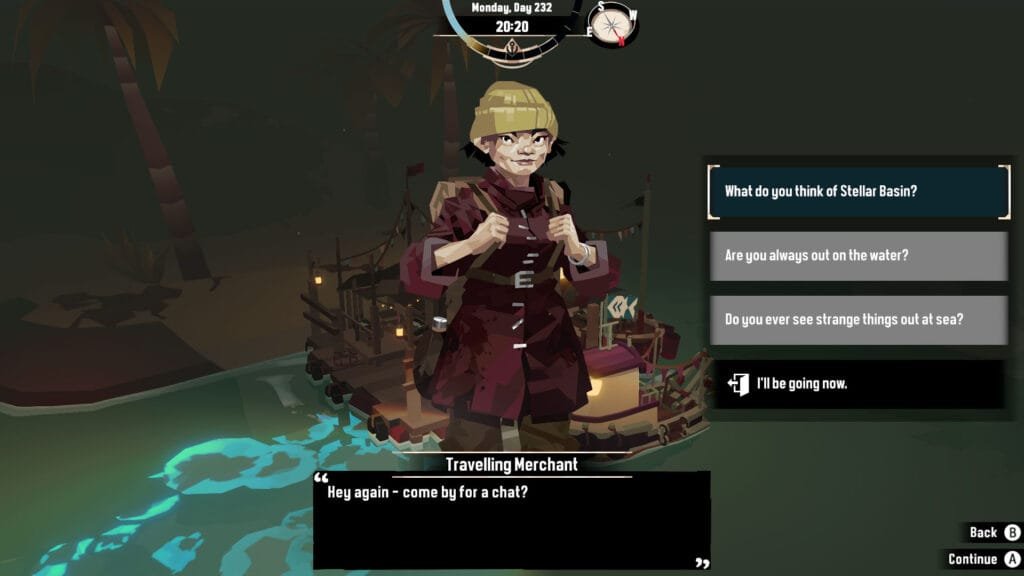
Now Dredge is a fishing horror game that is actually considered cozy horror by many. The main reason is that the exposure to horror is under the player’s control. The daytime in the game is generally safe and peaceful, while the dangers come out at night. The player is able to choose whether to sail into the long hours of the night, or sleep until sunrise. The game even offers a Passive Mode, in which the monsters never attack your boat, and there’s absolutely zero danger, even if you come across them.
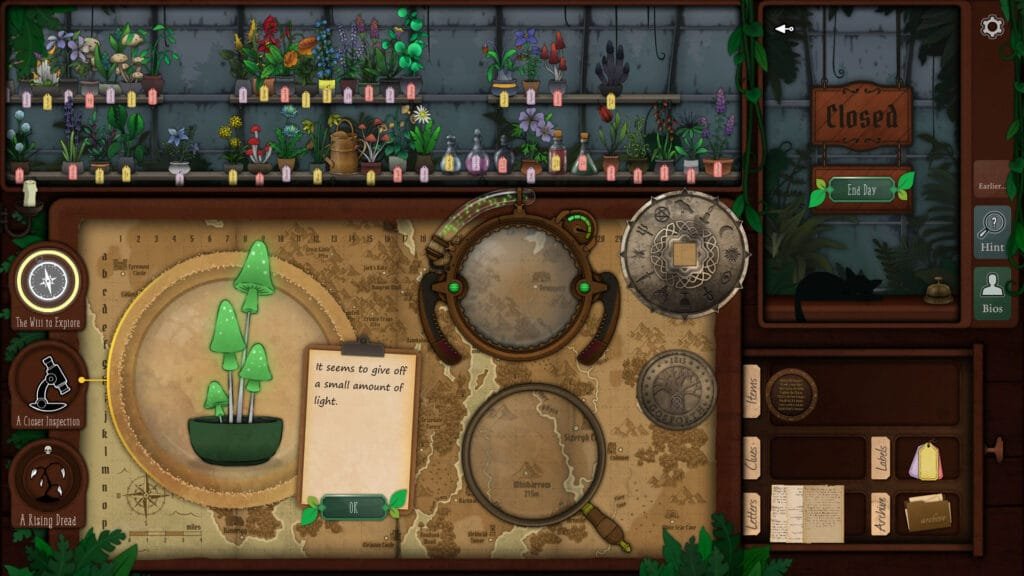
Strange Horticulture is a narrative-driven puzzle game where you are never in danger, but simply managing a plant shop and talking to your customers. The horror aspect comes from the occult setting, story and characters. A strange sect, a witch coven, a murder mystery. Your only worry is correctly identifying your plants and solving puzzles, while the story progresses through dialogue and choices. There’s the coziness of store management, with the familiar routine of watering plants and petting your cat. The player’s never at risk from the horror itself.
Finally, let’s examine Little Nightmares. It’s a puzzle platformer where we play as a small child in a cute-looking outfit. She needs to escape a giant place, with giant enemies who want to eat her. The art style is heavily caricature-like, but the enemies are grotesque and purposefully ugly with exaggerated features, making them disturbing to look at beyond the threat they represent. There are also some tiny, mysterious creatures that may sometimes help our protagonist. The horror in the game is obvious, while the cozy aspect comes from the cuteness and the imagery reminiscent of childhood. Mixing these elements with horrifying themes, it almost feels like a fairytale gone terribly wrong.
Ultimately, Cozy Horror doesn’t guarantee that you won’t be scared. Rather, it gives you an experience of horror themes or environments under a blanket of comfort, familiarity, or safety. Some can be enjoyed by people of all ages while others may be better suited for more mature audiences. Just like we have Halloween—the celebration, and Halloween—the movie.
While cozy games are relaxing and emotionally comfortable, cozy horror adds an element of spookiness that can make it especially exciting. They’re also the perfect bridge to step into actual horror games for those who are not used to them. And since everyone’s preference and fear tolerance can vary a lot, it’s a good thing to have these many options.
If cozy games are comforting like a grandma’s embrace, then cozy horror games could be considered the black sheep of the family. They’re weird, but they’re awesome, and they can sit with us.
